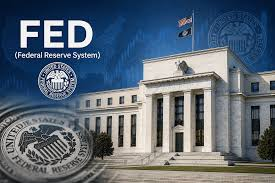
Global foreign exchange markets remained volatile on July 10, 2026. Investors focused on Federal Reserve policy expectations, U.S. interest rates, Japanese yen weakness, and global risk sentiment.
The DXY Dollar Index traded around 100.8 to 100.9, USD/JPY held near 160, EUR/USD was around 1.14, and GBP/USD traded near 1.34. The market theme was that the dollar remained supported while yen depreciation raised intervention concerns.
The DXY index traded around 100.78 on July 10, down approximately 0.16% from the previous session.
Global FX Market Context
1. Fed Policy Remains the Main Dollar Driver
Investors continued to watch inflation trends, labor-market data, the timing of Federal Reserve rate cuts, and Treasury yields. Higher-for-longer rates supported the U.S. dollar, while earlier easing could pressure it.
2. Yen Weakness Becomes the Biggest Market Focus
The Japanese yen traded near 160 yen per dollar. The U.S.-Japan yield gap, fiscal concerns, higher import costs, and uncertainty about intervention all contributed to the weakness.
The yen remained close to multi-decade lows and vulnerable to further declines, keeping traders alert to possible intervention by Japanese authorities.
3. Euro Remains Stable
EUR/USD traded around 1.14. Key drivers included European Central Bank expectations, the European economic outlook, and broader dollar movements.
4. Pound Strength Continues
GBP/USD held around 1.34, supported by softer dollar momentum and changing expectations for Bank of England policy. Sterling recently reached approximately four-week highs.
5. Asian Currencies Remain Under Pressure
Asian currencies continued to be affected by dollar strength, commodity prices, and capital flows. The main focus remained on the Japanese yen, South Korean won, Chinese yuan, and Malaysian ringgit.
Major Currency Performance
| Pair or Index | Level | Trend |
|---|---|---|
| DXY | About 100.8 | Consolidation |
| USD/JPY | About 160 | Yen weakness |
| EUR/USD | About 1.14 | Range trading |
| GBP/USD | About 1.34 | Strong |
| USD/CNY | Stable range | Controlled |
Market Highlights
Dollar: Strong but Losing Momentum
U.S. economic resilience, higher yields, and safe-haven demand supported the dollar. Rate-cut expectations and fiscal concerns limited further momentum. The dollar remained strong, but its upside pace was slowing.
Yen: The Key FX Risk
The rate differential and intervention risk remained the main drivers. USD/JPY near 160 continued to be the critical level for markets.
Euro: Waiting for Economic Signals
Investors focused on European Central Bank policy, German growth, and regional energy costs.
Pound: Strong Performance with Risks
A weaker dollar and improved sentiment supported sterling, while political uncertainty and the risk of an economic slowdown remained potential headwinds.
Currencies to Watch
For market reference only, not investment advice.
| Currency | Code | Theme |
|---|---|---|
| U.S. Dollar | USD | Global reserve currency |
| Japanese Yen | JPY | Intervention risk |
| Euro | EUR | Dollar-cycle trade |
| Pound Sterling | GBP | G10 outperformer |
| Swiss Franc | CHF | Safe haven |
| Australian Dollar | AUD | Commodity-linked |
Market Drivers
1. Fed Policy
The main question remained when the Federal Reserve would begin easing monetary policy.
2. Japan Intervention Risk
USD/JPY near 160 remained the critical level for intervention signals and near-term volatility.
3. Geopolitical Risks
Markets monitored Middle East tensions, energy prices, and global trade risks.
4. Global Capital Rotation
The current regime was dollar consolidation with growing divergence among non-dollar currencies.
Outlook
Key Catalysts
- U.S. CPI data, Federal Reserve communication, and Treasury yields
- USD/JPY movement and intervention signals from Japan
- European Central Bank policy and regional economic data
- Geopolitical risks and commodity prices
Short-term outlook: The dollar remains elevated, the yen stays vulnerable, and the euro and pound continue searching for further upside.
Long-term outlook: The dollar remains supported by yield advantages, but the global currency system is becoming increasingly diversified.